What Makes A 2.0 ATA Hard Sided Chamber Different?
If you are researching hyperbaric oxygen therapy, you have probably noticed a lot of jargon about “ATA,” “hard chambers,” and “mild” or“ soft” home units. It can be hard to tell what actually matters for your health and what is just marketing. In this post, we will walk through what 2.0 ATA really means, why hard sided chambers are different from soft ones, and how systems like the flow chamber we use at Mind Spa fit into that picture.
What Does 2.0 Ata Actually Mean?
ATA stands for atmospheres absolute. It is simply a way of describing pressure. Normal room air at sea level is 1.0 ATA. When you are inside a hyperbaric chamber at 2.0 ATA, you are in an environment with roughly twice that pressure. Under that higher pressure, the amount of oxygen that can dissolve directly into your blood plasma goes up a lot. Instead of relying only on the oxygen carried by red blood cells, your body also gets an extra supply dissolved in the liquid part of your blood. That extra oxygen can reach tissue that does not get enough blood flow and can support healing in places that are under stress or injured. Most medical grade hyperbaric treatment protocols are built around pressures around 2.0 ATA or higher. That is the range where oxygen levels in the body rise far above what you get from breathing oxygen at normal room pressure.
How A Hard Sided Chamber Is Built?
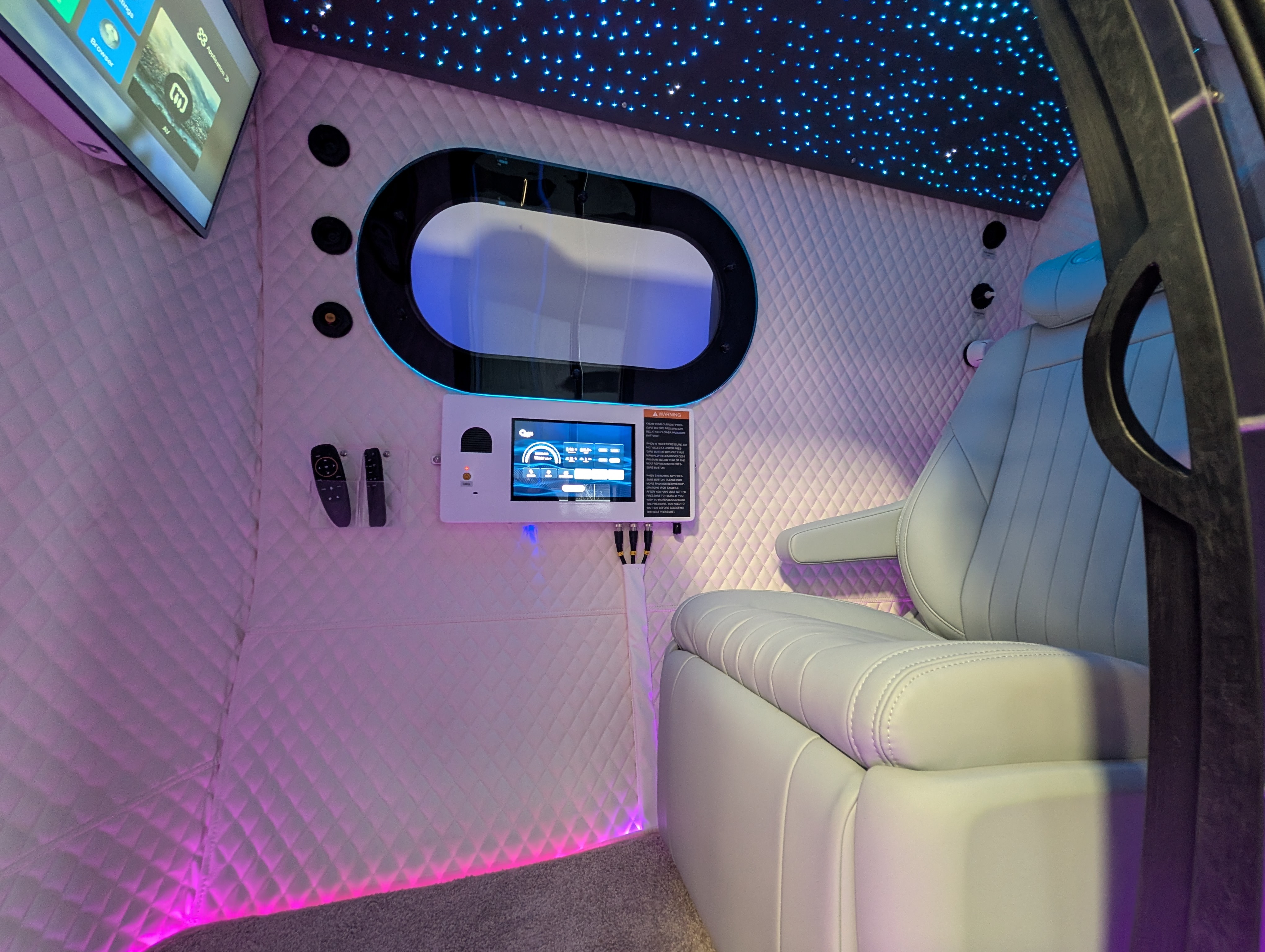
A hard sided hyperbaric chamber is a rigid medical device designed to safely hold higher pressures like 2.0 ATA. It is usually made from strong materials such as steel and thick acrylic, with precise valves, gauges, and monitoring systems. This design allows the chamber to do a few important things. It can pressurize evenly and predictably. It can maintain a stable pressure for the full session. It can be monitored closely by trained staff. It can also support features like windows, communication systems, and in some cases multiple patients, depending on the model. Because hard chambers can safely reach and hold higher pressures, they are the standard choice for medical protocols that rely on 2.0 ATA and above, rather than the lower levels used in many portable or “mild” systems.
Hard Sided Vs Soft Sided Chambers
· Soft sided chambers are usually made from flexible fabric with a zipper and are often marketed for home or wellness use. They typically operate around 1.3 ATA, sometimes with slightly enriched oxygen, and are more limited in how much pressure they can safely hold.
Here are some of the key differences patients care about.
· Pressure Range
A hard sided chamber can reach and maintain higher pressures like 2.0 ATA, which are used in many clinical protocols. Soft chambers usually stay closer to1.3 ATA, which produces a smaller rise in tissue oxygen.
· Control and Monitoring
Hard chambers are run by trained staff who control pressurization, timing, and decompression and monitor you throughout the session. Soft chambers often have simpler controls and may not be monitored in the same way.
· Use Cases
Hard sided, higher pressure systems are typically used in medical settings for more complex or serious conditions. Soft chambers are often used for wellness, light recovery, or personal use where lower pressure is acceptable.
Safety Standards
Because hard chambers are used at higher pressure, they are built and inspected to strict medical and engineering standards. Soft chambers follow different standards and are not interchangeable with full clinical systems.
How A 2.0 ATA Flow Chamber Is Different
Traditional hyperbaric chambers often raise oxygen levels throughout the entire inside of the chamber. That can increase fire risk and is one reason many centers do not allow any personal electronics inside. At Mind Spa, we use a 2.0 ATA flow chamber system that handles oxygen and pressure differently. The chamber pressure is created with ambient room air, not by filling the chamber with pure oxygen. Concentrated oxygen flows only through the mask that you wear. While you are in the chamber, room air is constantly being exchanged, so the overall oxygen concentration inside the chamber stays below 25 percent. That level is within commonly accepted safety limits for the use of electronics.
You still experience treatment at 2.0 ATA, which means you get the benefits of increased dissolved oxygen in your blood. At the same time, the environment inside the chamber does not reach the extreme oxygen levels that make many traditional chambers so restrictive. That is why, under our safety guidelines, you can usually bring a phone or tablet into our chamber and use it during your session.
What 2.0 ATA Can Do For Your Body
The main reason people seek out a 2.0 ATA hard sided chamber is the way it changes oxygen delivery. Breathing oxygen at that pressure means:
· More oxygen dissolves in your blood plasma:
This extra dissolved oxygen can travel into tissue even when blood flow is not ideal.
· Injured or stressed tissue may get better support:
Improved oxygen delivery can help support healing in areas affected by poor circulation, injury, or inflammation.
· Certain cellular processes can shift:
Oxygen changes can influence inflammation, oxidative stress, and some signaling pathways in ways that may be helpful in specific conditions.
The details depend on your situation, your diagnosis, and your overall treatment plan. That is why hyperbaric therapy should always be discussed in the context of your broader medical care.
Why Patients Choose A 2.0 ATA Hard Sided Chamber
If you are comparing options, here are some reasons people choose a 2.0 ATA hard sided system like the one we use at Mind Spa:
· They want a pressure level that matches established medical protocols, not only mild wellness settings.
· They prefer treatment that is monitored by trained staff in a clinical environment.
· They are dealing with complex or persistent issues and want a higher pressure option that can deliver more oxygen to tissue.
· They like the balance of safety and comfort that a modern flow chamber can offer, including the ability to use a phone, listen to music, or follow a guided meditation while they are in the chamber.
For many people, those factors make a 2.0 ATA hard sided chamber feel more like a medical procedure and less like a gadget.
How Sessions Feel In A Hard Sided Flow Chamber
Most people describe the experience in a 2.0 ATA hard sided flow chamber as calm and surprisingly routine once they get used to it. You lie back in the chamber and put on the oxygen mask. The chamber slowly pressurizes. Your ears may feel similar to being in an airplane and you will be coached on how to clear them. Once at full pressure, you simply breathe and relax while you receive oxygen through the mask. Because of our flow chamber design, you can usually use your phone or another device if you like, as long as it fits our safety checklist. At the end of the session, the chamber slowly returns to normal pressure and you step out and get back to your day. The first session is often about learning what to expect. After that, many people settle into a routine and use the time as quiet, structured downtime.
The Bottom Line
A 2.0 ATA hard sided chamber is different because it can safely reach a pressure range that meaningfully increases how much oxygen your body can carry and deliver to tissue. The rigid build, close monitoring, and higher pressure set it apart from soft or mild chambers. At Mind Spa, our 2.0ATA flow chamber approach adds another layer. You still get the benefits of treatment at 2.0 ATA, but the chamber interior stays below 25 percent oxygen, which allows safe use of electronics within our protocols. In practice, that means you get a medically serious tool that still feels modern, comfortable, and usable in real life, not just in theory.